
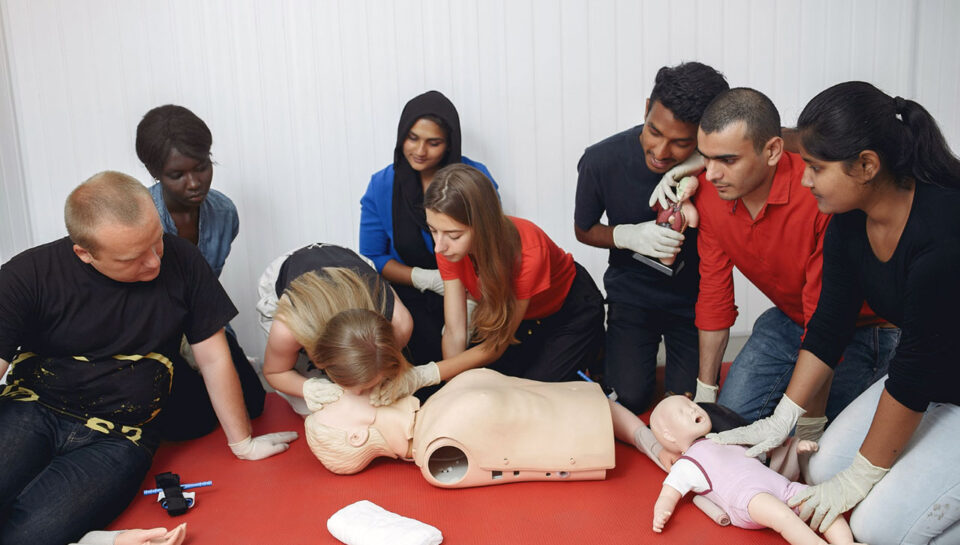
Advanced Life Support (ALS) skills development is essential for healthcare professionals working in emergency departments (ED), intensive care units (ICU), and operating theaters because these environments demand rapid, precise, and well-coordinated responses to life-threatening situations. Here’s why:
◆ Improved Patient Outcomes – Timely and effective ALS interventions, such as advanced airway management, defibrillation, and drug administration, significantly improve survival rates and reduce complications in critically ill patients.
◆ Rapid Decision-Making – In high-pressure settings like the ED, ICU, and operating theatres, healthcare professionals must make quick and informed decisions. ALS training enhances their ability to recognize and respond to emergencies such as cardiac arrests, respiratory failure, and shock.
◆ Enhanced Team Coordination – ALS training emphasizes effective teamwork and communication, which are crucial in critical care settings where multidisciplinary teams must work together seamlessly to stabilize patients.
◆ Mastery of Life-Saving Techniques – Skills such as intubation, mechanical ventilation, circulatory support, and advanced resuscitation techniques are critical in these environments. Regular training ensures proficiency and confidence in performing these procedures.
◆ Adherence to Clinical Guidelines – ALS courses align with the latest evidence-based protocols from organizations like the American Heart Association (AHA) and European Resuscitation Council (ERC). This ensures that healthcare providers follow standardized, effective treatment pathways.
◆ Prevention of Medical Errors – In emergency and critical care settings, errors can have fatal consequences. Ongoing ALS training helps reinforce best practices, minimizing the risk of errors during high-stress situations.
◆ Adaptability to Complex Cases – Critically ill patients often present with multiple comorbidities and complications. ALS training helps healthcare professionals develop the skills necessary to adapt their approach based on the specific needs of each patient.
◆ Legal and Ethical Preparedness – In emergencies, healthcare providers must make ethically and legally sound decisions. ALS training includes discussions on do-not-resuscitate (DNR) orders, consent issues, and ethical dilemmas in critical care.
◆ Confidence in Crisis Situations – Regular ALS training enhances confidence, reducing hesitation and improving performance under pressure, which is vital for successful patient resuscitation and stabilization.
◆ Continuous Professional Development – ALS training keeps healthcare professionals updated with the latest advancements in emergency medicine, ensuring that they provide the highest standard of care to patients.
◆ Given the high-stakes nature of emergency, ICU, and surgical environments, ALS skills are not just beneficial but essential for saving lives and ensuring optimal patient care.